

Diagnostic and therapeutic injections
Nerve block
A nerve block is an injection of local anaesthetic, sometimes with a corticosteroid, around a specific nerve or group of nerves. It has two distinct purposes. Diagnostically, the response tells the clinician whether that nerve is carrying the pain: if the pain subsides while the anaesthetic is active, the nerve is implicated. Therapeutically, interrupting the pain signal can provide relief and allow rehabilitation to proceed.
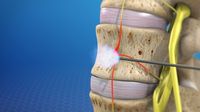
What the procedure involves
A short outpatient procedure performed with the patient awake, so that the response can be assessed.
-
Skin preparation and local anaesthetic
The area is cleaned and the skin anaesthetised before the needle is advanced.
-
Image guidance
Ultrasound is used for peripheral nerves and fluoroscopy for spinal targets, so that the needle reaches the intended nerve rather than the tissue near it.
-
Injection and assessment
Anaesthetic is placed around the nerve. Afterwards the patient is asked what happened to the pain and for how long — in a diagnostic block, that answer is the result of the test.
-
Recording the response
Patients are often asked to keep a record of the pain over the following hours, because the duration and degree of relief are what determine the next step.
Risks and limitations
Nerve blocks are generally well tolerated, and their main limitations are as much interpretive as physical.
-
Expected effects
Temporary numbness or weakness in the area supplied by the nerve, which resolves as the anaesthetic wears off. Soreness at the injection site is common.
-
Procedural risks
Bleeding, infection, and injury to the nerve or to adjacent structures are possible but uncommon. Specific risks depend on the site, and are explained before consent is given.
-
A negative result is still information
If the pain does not change, that nerve is unlikely to be the source. This is a useful finding, though not the one most patients hope for.
-
Relief may be temporary
Therapeutic benefit varies from hours to months. Where a diagnostic block confirms the source, longer-lasting options may then be considered.
Common questions
Is it painful?
The skin is anaesthetised first, and most people report pressure rather than sharp pain. The area may feel sore for a day or two afterwards.
What if the pain comes back?
For a diagnostic block, temporary relief is the expected result and confirms the source. How long the relief lasts is itself part of the information, and guides what is offered next.
What does it mean if nothing changes?
It suggests the blocked nerve is not the one carrying the pain. That narrows the possibilities and changes where the assessment looks next.
Will I be sedated?
Blocks are usually performed with the patient awake, because the response to the injection is part of the test. Local anaesthetic is used at the skin; arrangements vary by site and by patient.
General reference information, and not advice about your own case. It may not reflect the most recent guidance or what is offered on a given day — call (201) 408-5151 to check.
Schedule an appointment
Dr. Yoo Rehab Clinic welcomes new patients from across Northern New Jersey and New York City, including Englewood, Teaneck, Fort Lee, Palisades Park and Ridgefield. Call today to learn more about insurance, scheduling, and how we can help.